

The intimate communication you have between your cognizant self and the notes being relayed from your nervous system are obviously ongoing and private unless you want to share! The somatic narrative is drawing heavily on biology, chemistry and physics (e.g. neuronal communication, hormone or neurotransmitter release or Piezo molecules noticing ‘pressure’). Ultimately the individualised reality that is produced for you at any given moment is balancing your memory & sensory data and energy capability, something I have often written about. But in this piece I want to give time to ‘time’ itself, with a nod to time in a physical sense and a psychological one.
Its all about the architecture
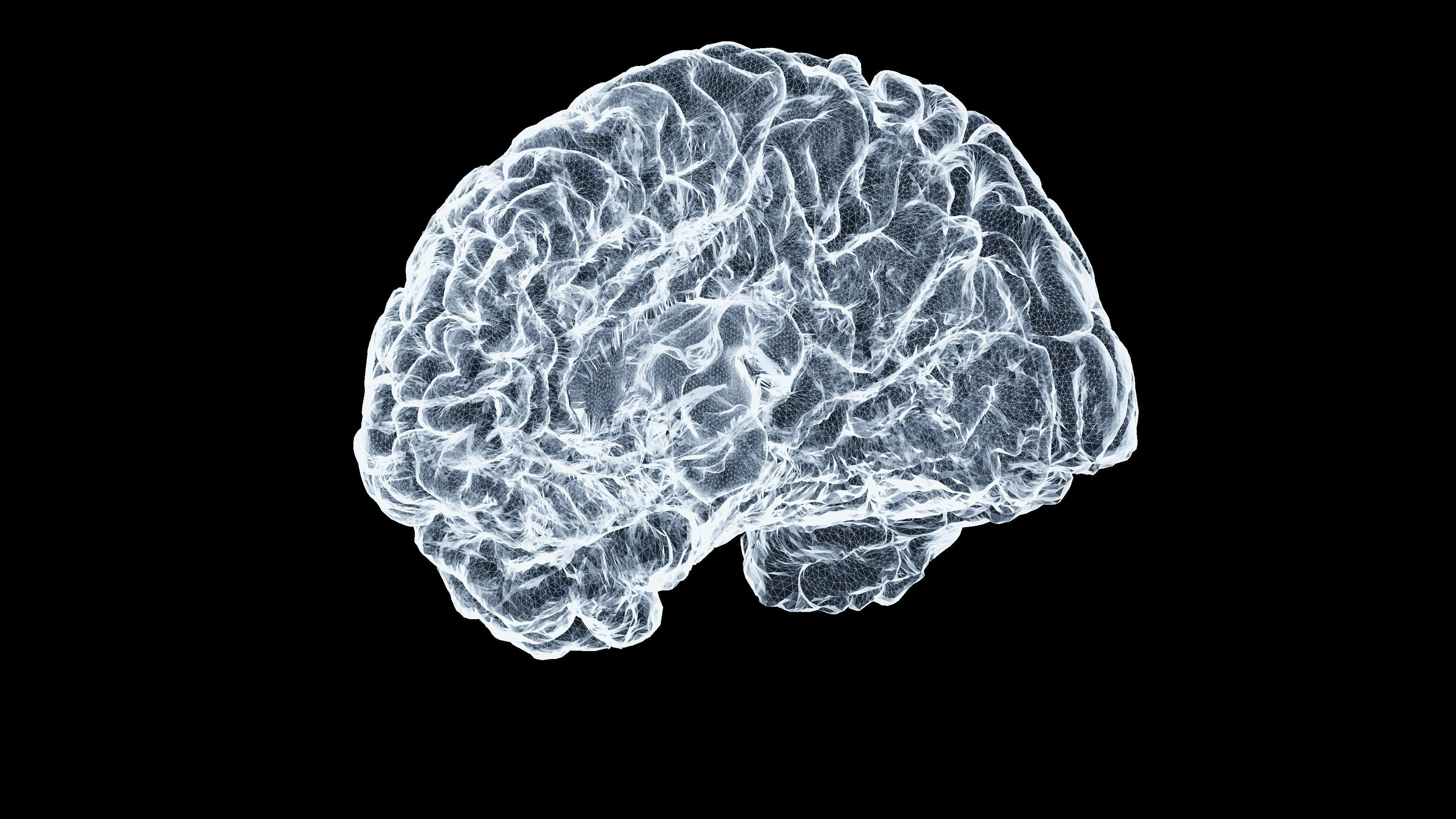
Recent research led by Cambridge University analysed over 4000 brain imaging datasets with a collective age range of zero to 90 years old. They pinpointed four significant topological turning points across the human life span, occurring around nine, thirty two, sixty six and eighty three years old. These ages determine five major epochs of brain architecture developments, with their own nuanced age-related alterations in the brains landscape.
From babyhood through to childhood network consolidation takes centre stage, where synapses (connections between neurons) are trimmed down and it becomes survival of the most active! Grey and white matter grow quickly in volume. Cortical folding on the outer brain stabilises.
From around 9 years the second “epoch” starts the adolescence era, white matter continues to expand, enabling the brains communications networks to strengthen and sharpen. Efficiency of connections dominates this phase which shows itself in cognitive optimisation. Epochs one and two are clearly ramping up.
The third epoch starts from 32 years. The brains structure becomes more stable compared with the first two epochs, complimenting other research which sees a respite from change in intelligence and personality. In addition brain compartmentalisation is also more noticeable.
In contrast turning points at 66 and 83 into the final two epochs witness a decrease in brain connectivity, obviously correlating with ageing and atrophy of white matter in the brain. Perhaps we could say this is the ramping down process after the plateau of the third epoch.
But what about time in the psychological sense ?
As we have explored with the epochs of the brain, physical time is measured in a linear fashion even if human development itself is not. Physical time is objective, governed by atomic clocks and astronomical cycles. In contrast psychological time is a subjective construct, with a fearful or dull minute lasting a lifetime or joyful, captivating periods passing in the blink of an eye.
Psychological time is heavily reliant on complex systems incorporating such things like -experience, sensing, language, heritage, culture and combined evolutionary history. It can move bidirectionally i.e recalling from the past ( how you felt meeting your best friend at infant school) or playing out simulations for the future ( summer 2026 beach holiday, swimming in clear blue sea). We utilise a retrospective component as well as a prospective component supporting imagination and future planning akin to chronesthesia- where we are able to time travel with ease.
Another vital element to psychological time is autonoetic (self knowing). We possess an awareness of ones sense of self as a continuous entity through time, whereby we recognise we are the same self who experienced a past event as the same self who exists in the present and will exist in the future.
Celebrate every epoch
Regardless of whether it is ‘physical’ or ‘psychological’ time try to remember in this very moment you are uniquely you, we don’t individually and collectively remain in a fixed state. Our beautiful complexity knows no bounds. In a flash ‘all time’ ultimately passes us by. No matter which epoch you are in try to be kind to yourself, fellow living beings and the planet.